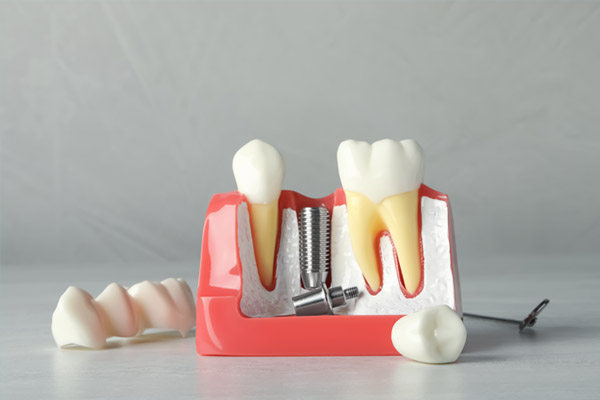
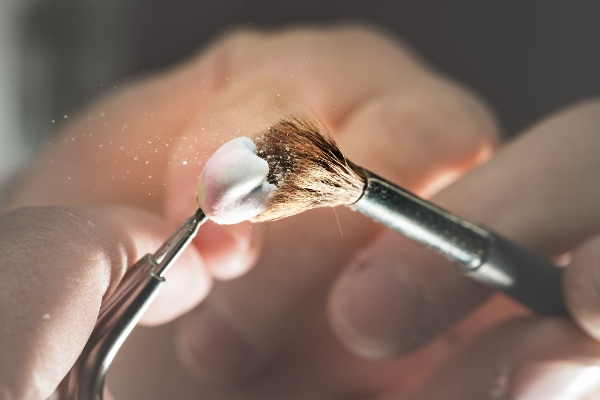
 Aftercare and long-term care are vital for maintaining the results if you have recently undergone a dental restoration procedure. Maintaining the results does not have to be difficult; however, you must remain dedicated to caring for your new smile. Following the simple tips below will extend the life of your new dental work.
No matter the type of dental restoration a patient undergoes, they will need to schedule regular dental appointments throughout the year (bi-annual visits; more if advised). During this time, the dentist will be able to evaluate the condition of the patient's restoration, make any necessary adjustments or repairs, and monitor the patient's overall oral health.
While some restorations are designed to last a lifetime, like dental implants, others are not and can become damaged if not cared for properly. Others simply need to be replaced over time.
Maintain proper oral hygiene practices
Most dental restorations allow patients to keep the remaining teeth not damaged or extracted. Therefore, they must maintain proper oral hygiene habits.
- Brush a minimum of twice a day
- Floss at least once a day
- Use an oral rinse at least twice a day
Following these tips will help ensure their natural teeth and gums do not deteriorate and that the restoration remains strong and its color does not change. In addition to maintaining oral hygiene, patients with removable dental restorations must ensure they properly clean them and follow all dentist instructions. This will limit the risk of excess bacteria contamination and maintain the restoration's durability.
Limit or cease tobacco use
Tobacco will damage dental work, including fillings, crowns, and implants. Additionally, it can deteriorate the gums and natural teeth because they are more sensitive to nicotine than the rest of the body. Tobacco has also been shown to drastically slow down the body's blood flow. This can cause the gum tissue will slowly die, making it difficult or even impossible to hold certain dental restoration options such as bridges and dental implants.
What to do if the dental restoration is damaged
In the event a patient's restoration is damaged, we insist they call our office immediately to schedule an appointment, even if the damage is small. Seemingly small damage, such as cracks, can seem unimportant or minor but can be larger than they appear.
The only way to truly assess the damage is for the dentist to examine the dental restoration and take X-rays if necessary. This is mainly the case for patients with restorations like dental implants, crowns, veneers, and fillings. However, patients with removable restorations, such as dentures, may need a new set.
Learn More Today
Maintaining your dental work can help it last longer and look nicer overall. By following the tips above, you can help ensure your smile stays healthy and beautiful for years to come. If you have any questions regarding your dental restoration, contact us today. Our team will happily answer any questions or concerns you may have.
Request an appointment or call Martin Dentistry at 209-299-7907 for an appointment in our Stockton office.
Related Posts
For patients who have damaged or decaying teeth, dental restorations may be a necessity. Dentists use a variety of restorative procedures to protect and repair the structural integrity of an individual's teeth. Some of the most common restoration procedures may include dentures, crowns, and fillings.No individual should suffer from severe tooth pain or discomfort. Decaying…
After getting dental restorations such as fillings, implants, crowns, or root canals, it is important to follow any aftercare instructions given by the dentist. Doing so can help avoid damaging the restoration and causing further harm to the mouth. It can also allow the mouth to heal quickly and properly. Here are some tips commonly…
Healthy teeth are important for many reasons. Strong teeth make it easier to chew food, enunciate speech properly, and even breathe better. Many people also feel more confident when they have strong, healthy teeth that help to create a beautiful smile. Unfortunately, some people are predisposed to decay, fractures, or broken teeth and will need…