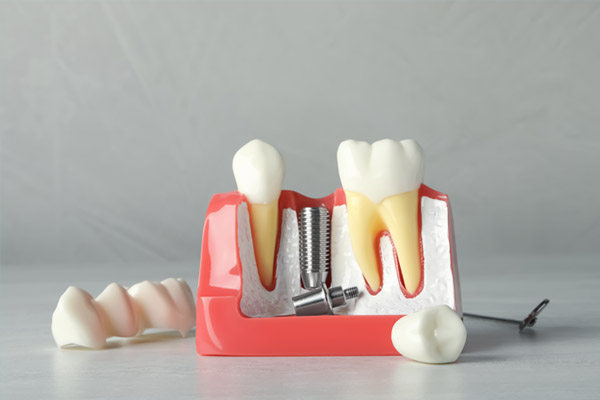
 Dental crowns can be used to fix various cosmetic and structural issues that affect the teeth. Also known as caps, dental crowns are some of the most versatile restorations used in dentistry, and they can last up to 25 years when properly maintained.
Getting a dental crown attached to a tooth typically requires the dentist to remove enamel so the restoration bonds better with the tooth. The procedure cannot be reversed, so the tooth will always need a restoration to protect it moving forward.
Frequently asked questions about caring for dental crowns
Dental crowns do not require any special care, but there are simple things that patients can do to protect these restorations and get the most out of them. Here are the answers to questions that patients might have about taking care of dental crowns:
1. Can poor oral hygiene damage a dental crown?
Yes, it can. A crown cannot be directly damaged by bacteria and acids in the mouth, but the base where the patient’s tooth and the crown meet remains vulnerable to decay. Poor oral hygiene can lead to decay occurring at the base of the crown and from there, to other parts of the tooth. Dentists recommend brushing twice daily and flossing once each day to maintain good oral health.
2. Can I whiten my crown with teeth whitening treatments?
No, teeth whitening treatments work on real teeth, but they have no effect on restorations like crowns or veneers. Dentists typically recommend getting any whitening treatments before getting a crown placed. That way, the crown can be color-matched with the real teeth.
Crowns pick up stains and discoloration over time, but good oral hygiene helps prevent this. Porcelain crowns are more resistant to stains than real teeth, so they are easier to keep white than real teeth.
3. Can I eat anything with my crown?
For the most part, yes, crowns are designed to be able to withstand bite forces, so patients can enjoy all their favorite dishes if they have crowns on some of their teeth. They should avoid sticky or chewy foods for the first few days after getting crowns, however, since these can lead to the crown becoming loose or falling out. Dentists also recommend avoiding hard foods like ice and hard candies because the bite forces needed to break these down can damage real teeth and crowns.
4. Should I try to fix issues with my crowns on my own?
Absolutely not, a crown becoming loose or defective in some way leaves the tooth that it is covering exposed to acids and bacteria in the mouth. It requires immediate treatment from a dentist to protect the tooth and restore the crown. In some cases, a new crown might be recommended.
Restore damaged teeth with crowns
Are you dealing with a damaged or decayed tooth? A crown might be the right solution for that problem. Give us a call or stop by our Stockton clinic to set up an appointment with our dentist.
Request an appointment or call Martin Dentistry at 209-299-7907 for an appointment in our Stockton office.
Related Posts
Choosing a dental crown involves balancing aesthetics, durability, and budget to ensure the long-term health of a damaged tooth. While it is natural to feel some hesitation when a dentist recommends a restorative procedure, a crown is one of the the most proven and effective ways to preserve a natural tooth for the future. If…
A dental crown supports and protects a weakened tooth when a filling no longer provides enough coverage or strength. Many patients compare these two restorations and want to understand when each one is recommended. A careful evaluation helps determine the best option for long-term comfort, stability, and oral health. Factors such as decay size, tooth…
A dental crown protects a damaged tooth and restores shape, strength, and appearance. Crowns cover the entire visible portion, shielding cracks, large fillings, and worn enamel while improving function. Dentists use crowns to rebuild biting surfaces, anchor bridges, and finish implants. This guide explains when crowns are a suitable option, material choices, treatment steps, costs,…