How Your General Dentist Can Help Treat Sleep Apnea
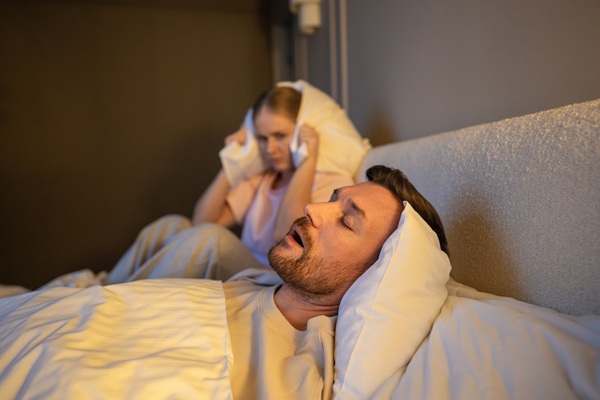
Managing sleep apnea often involves a visit to the general dentist, as the mouth and jaw play a fundamental role in keeping the airway open and clear during sleep. While many people think of this condition as something only a physician handles, dentists have a unique view of the physical signs that appear during a routine cleaning. By focusing on the physical space in the mouth, our dentist helps move from restless, tired nights to healthy, restorative sleep.
How the oral cavity can produce sleep apnea and its effects
It is important to know the difference between regular snoring and the actual pauses in breathing that occur during a blockage. While snoring is often a symptom, the real concern is when the body stops taking in air entirely for several seconds at a time. This cycle of stopping and starting forces the brain to wake just enough to resume breathing, preventing the person from reaching the deep, restorative stages of sleep. A general dentist helps explain these differences and evaluates how the vibrating tissues in the mouth contribute to the problem.
During the evaluation, the dentist looks at the size of the tongue, the position of the lower jaw, and the shape of the roof of the mouth to understand how air moves. These physical traits influence how much room is available for oxygen to reach the lungs when the body relaxes during sleep. If the tongue falls back or the tissues in the throat begin to sag, a patient experiences the pauses in breathing that make a night so exhausting. This kind of screening is a vital first step in a larger plan to improve the quality of a person's life and health.
Identifying the red flags in the dental chair
Certain dental problems serve as loud warning signs that a person might have trouble breathing at night. A few more examples include:
- Flat surfaces on teeth: Heavy wear on the biting surfaces of the teeth suggests a history of nighttime grinding.
- Scalloped tongue: Small ridges along the sides of the tongue show that it is pushing hard against the teeth to find more room.
- Morning headaches: Frequent pain in the temples or jaw joints upon waking often points to a struggle for air.
- Dry mouth: Waking up with a dry mouth or throat usually means a person is breathing through their mouth all night.
When the dentist notices these markers, the conversation shifts to how well the person sleeps and whether they feel tired during the day. This screening does not take the place of a medical test, but it provides the evidence needed to talk to a sleep specialist. Understanding these red flags helps a person address the root cause of the problem rather than just treating the surface symptoms of fatigue.
Sleep apnea treatment options from a general dentist
One of the most effective ways a dental professional helps treat sleep apnea is through the use of a custom-fitted oral appliance. These appliances resemble a sports mouthguard or a retainer and work by gently holding the lower jaw forward. This small shift keeps the tongue from falling back and prevents the throat tissues from closing up during the night. Customization also makes follow-up care more meaningful. If the appliance feels uncomfortable, affects the bite, or needs adjustment, the dentist can make changes based on the patient's response. This ongoing attention helps improve the chances of better compliance and better long-term results.
For more moderate-to-severe cases, the dentist may recommend a continuous positive airway pressure (CPAP) machine. It provides a constant stream of pressurized air that keeps the throat from collapsing during the night, using a mask and a small bedside motor to maintain consistent oxygen levels throughout the entire sleep cycle. Collaborating with a sleep specialist allows the dentist to ensure the patient receives the most effective tool for managing each patient's specific level of sleep apnea.
Schedule an evaluation
A visit to the dentist is an opportunity to detect and manage the signs of sleep apnea before they lead to more serious health problems. From checking for worn-down teeth to making a custom mouthpiece or prescribing a CPAP machine, a general dentist offers real solutions that are easy to use. Prioritizing these checkups ensures you stay on the right path toward a healthy, restful night. Are you living with sleep apnea? Contact Martin Dentistry and schedule an evaluation to determine the most effective treatment method.
Request an appointment here: https://www.martinimplants.com or call Martin Dentistry at (209) 299-7907 for an appointment in our Stockton office.
Check out what others are saying about our dental services on Yelp: Do I Have Sleep Apnea in Stockton, CA.
Related Posts
Sleep apnea can affect breathing, energy levels, and overall health, and a dentist may play an important role in supporting treatment. While a physician or sleep specialist provides the diagnosis, a general dentist can identify possible signs during routine exams and provide oral appliance therapy when appropriate. This collaborative approach helps patients receive care that…
Dental implants are restorations that dentists use to replace missing teeth. Patients interested in this treatment must determine if they are an ideal candidate for this procedure. Systemic health conditions such as low bone density can create challenges for dental surgery. The patient should disclose all health history concerns to the dental team. Together, the…
One of the requirements for a patient to be able to get a dental implants procedure is that the patient must have sufficient jaw bone to anchor the implant. Some patients who do not have adequate bone mass may be able to get implants by first having a bone graft procedure.A dental bone graft procedure…
For many people, dental implants can be a permanent solution for dealing with lost or damaged teeth. This type of treatment is designed to last a lifetime. Once it is complete and healed, patients can enjoy a more beautiful smile without having to worry about any dietary changes, difficult home care, or unnatural-looking teeth.Dental implants…