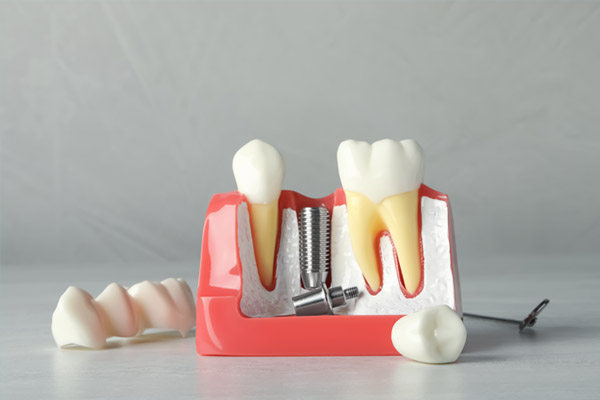
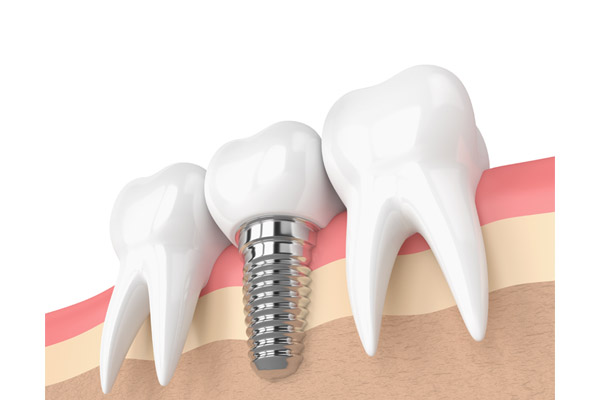
 Dental restoration is a category of services that aims to restore the function and aesthetics of teeth damaged or lost due to decay, injury, or other dental conditions. It provides a variety of treatments and procedures, such as fillings, crowns, and dentures. This article will explore how dental restoration can significantly improve oral health and boost confidence in your smile.
How dental restoration can improve oral health
1. Prevents further damage and decay
One of the main benefits of dental restoration is that it helps to prevent further damage and decay to the teeth. When a tooth is damaged or decayed, it becomes weaker and more vulnerable to further damage. If left untreated, the decay can spread and cause more extensive tooth deterioration, leading to pain, infection, and, in severe cases, tooth loss. Dental restoration procedures, such as fillings and root canals, can help stop the decay and restore the tooth's structure and function, preventing further damage and decay.
2. Improves bite and chewing ability
Dental restoration can also help to improve a person's bite and chewing ability. A missing or damaged tooth can affect how a person bites and chews their food, leading to discomfort and difficulty eating. Using dental restoration procedures, a dental professional can replace missing teeth and restore a person's ability to bite and chew their food comfortably and effectively.
3. Boosts confidence and self-esteem
Dental restoration can enhance a person's smile and appearance. Damaged, decayed, or missing teeth can make an individual feel self-conscious and embarrassed about their smile. Dental restoration procedures can help improve the appearance of the teeth and create a more attractive and confident smile.
The dental restoration process
Dental restoration typically begins with a dental professional thoroughly examining and evaluating the patient's teeth and gums. This can be with their fingers or with an X-ray. Next, the dentist will assess the extent of the damage or decay and determine the best course of treatment. Then, depending on the situation, the dentist may recommend restorative services, such as:
- Fillings: Fillings treat cavities and minor tooth damage. After removing the decayed part of the tooth, the dentist will fill the cavity with a composite material that matches the surrounding teeth.
- Root canal: A dental professional recommends this procedure when a tooth’s pulp becomes infected or inflamed due to deep decay, repeated dental procedures, or injury.
- Crown: Crowns restore more extensive damage or decay and cover the entire tooth. This treatment also provides added strength and protection.
- Bridge: The goal of bridges is to replace one or more missing teeth by anchoring the bridge to the surrounding teeth.
- Implants: Similar to bridges, implants replace one or more missing teeth. The dentist implants a biocompatible titanium post into the gap, allowing the post to settle into the jawbone, similar to a natural tooth root.
- Dentures: This restorative method also replaces multiple missing teeth. The patient has the option for it to be fixed or removable, as well as partial or full, depending on their situation.
Each restorative method has a different preparation and recovery process. The dentist and the patient will review them before any procedure occurs. It is important for the patient to understand the treatment method and to voice any questions or concerns prior to treatment.
Restore your oral health today
If you are experiencing dental problems or have missing or damaged teeth, it is essential to seek treatment from a qualified dental professional. Call our office today to schedule a consultation. Our team will help you start the journey to a healthy and beautiful smile today.
Request an appointment or call Martin Dentistry at 209-299-7907 for an appointment in our Stockton office.
Related Posts
For patients who have damaged or decaying teeth, dental restorations may be a necessity. Dentists use a variety of restorative procedures to protect and repair the structural integrity of an individual's teeth. Some of the most common restoration procedures may include dentures, crowns, and fillings.No individual should suffer from severe tooth pain or discomfort. Decaying…
After getting dental restorations such as fillings, implants, crowns, or root canals, it is important to follow any aftercare instructions given by the dentist. Doing so can help avoid damaging the restoration and causing further harm to the mouth. It can also allow the mouth to heal quickly and properly. Here are some tips commonly…
Healthy teeth are important for many reasons. Strong teeth make it easier to chew food, enunciate speech properly, and even breathe better. Many people also feel more confident when they have strong, healthy teeth that help to create a beautiful smile. Unfortunately, some people are predisposed to decay, fractures, or broken teeth and will need…