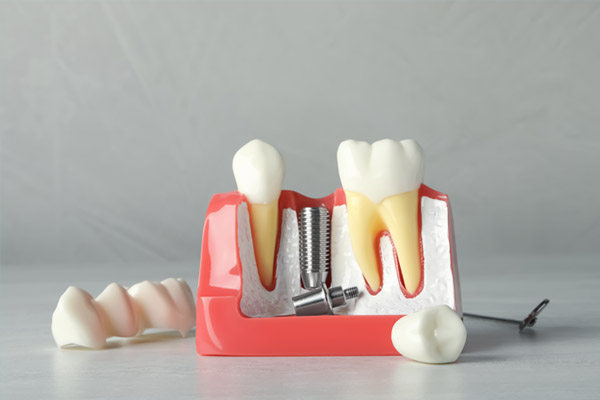
 There appears to be some overlap between dental restorations and cosmetic dentistry. However, people need to know the difference between the two because dental insurance may cover a dental restoration but not a cosmetic procedure. This article examines the key differences between the two types of dentistry and provides examples of each.
Cosmetic dentistry versus restorative dentistry
The primary difference between these two types of dentistry is their purpose. Cosmetic dentistry's sole purpose is to improve the way the smile looks, while restorative dentistry helps people who have decayed, damaged, or missing teeth that are causing them pain or other dental problems. Here are some examples of both types of procedures to give you a better idea of how they differ:
Cosmetic procedures
The following are procedures that are almost always considered purely cosmetic.
Teeth whitening
In the form of either in-office procedures or at-home kits, dentists offer these treatments to improve the color of teeth. These are among the most popular dental procedures.
Veneers
Dental veneers are among the most popular treatments for those wanting to obtain the movie star smile. Dental veneers are porcelain or composite resin shells that cover the fronts of teeth (typically the front teeth). They are difficult to stain, giving the teeth a bright, flawless, and uniform look.
Teeth shaping and dental bonding
These procedures are often combined to improve teeth's shape and color. For example, teeth shaping removes small bits of enamel to fix jagged or unevenly shaped teeth. Dental bonding adds tooth-colored composite resin to teeth to improve their shape and cover discolorations that teeth whitening cannot remedy. However, some may consider dental bonding a restorative procedure in certain cases. For example, if the enamel has been worn down, it makes the tooth more sensitive or exposes the tooth to a higher risk of infection.
Dental restorations
Though these can help teeth look better, they focus on repairing teeth and preserving oral health.
Fillings, inlays, and onlays
Perhaps the most common restoration is cavity filling. However, sometimes the tooth is damaged by decay to a point where the standard filling is insufficient. In these cases, an inlay or an onlay must be crafted to replace a larger portion of the tooth's structure.
Dental crowns
Dentists use dental crowns to repair teeth that are heavily damaged or root canal treated. They are tooth-shaped caps cemented over damaged natural teeth to protect them from infection and restore their biting power.
Dentures, dental bridges, and dental implants
These are the three major dental restorations dentists use to replace missing teeth. Traditional dentures are either full or partial dental appliances that are removable (usually for cleaning or while the patient sleeps). Dental bridges are fixed restorations that replace one of two missing teeth in a row. Finally, dental implants represent the latest in dental restoration technology. They can replace one or several missing teeth using a titanium post that acts as a tooth root.
Know the difference
If you are considering dental work, we hope this overview has given you a good idea of how cosmetic procedures differ from dental restorations. However, every person and insurance plan is different, and there are always exceptions. If you have more questions about dental restoration, our team is happy to help.
Request an appointment or call Martin Dentistry at 209-299-7907 for an appointment in our Stockton office.
Related Posts
For patients who have damaged or decaying teeth, dental restorations may be a necessity. Dentists use a variety of restorative procedures to protect and repair the structural integrity of an individual's teeth. Some of the most common restoration procedures may include dentures, crowns, and fillings.No individual should suffer from severe tooth pain or discomfort. Decaying…
After getting dental restorations such as fillings, implants, crowns, or root canals, it is important to follow any aftercare instructions given by the dentist. Doing so can help avoid damaging the restoration and causing further harm to the mouth. It can also allow the mouth to heal quickly and properly. Here are some tips commonly…
Healthy teeth are important for many reasons. Strong teeth make it easier to chew food, enunciate speech properly, and even breathe better. Many people also feel more confident when they have strong, healthy teeth that help to create a beautiful smile. Unfortunately, some people are predisposed to decay, fractures, or broken teeth and will need…