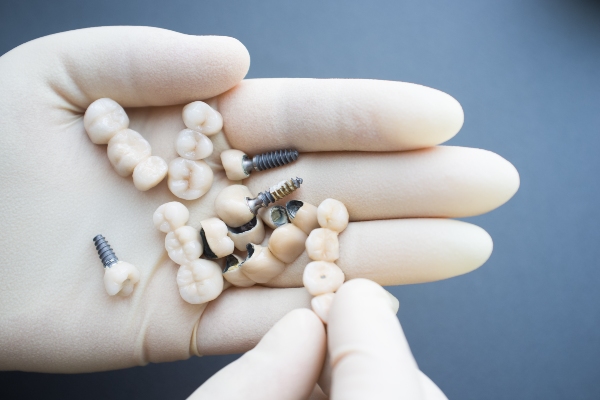
 Dental restoration is a term used to describe the process of repairing or replacing damaged, decayed, or missing teeth. Several dental restoration options are available to patients, ranging from simple fillings to more complex procedures such as dental implants and crowns. This article will explore some of the most common dental restoration options available and which may work for your situation.
Fillings
Fillings are one of the most common forms of dental restoration. They are typically used to repair teeth damaged by decay or trauma. A filling can consist of a variety of materials, such as:
- Composite resin: Composite resin fillings are tooth-colored and blend in with the natural tooth. This coloring makes them a popular choice among patients.
- Amalgam: This type of filling is silver in color. Because of this appearance, dentists typically reserve them for posterior (back) teeth.
- Glass ionomer: Glass ionomer fillings are a type of tooth-colored filling that releases fluoride, which can help prevent future decay.
Dental crowns
Crowns are another form of dental restoration that dentists often use to repair missing or damaged teeth. Additionally, they strengthen teeth weakened by decay, large fillings, or root canals. Crowns consist of various materials, such as porcelain, ceramic, or metal. Porcelain and ceramic crowns are tooth-colored and blend in with the natural tooth, while metal crowns are silver or gold. The type of crown used will depend on the location of the tooth and the patient's preferences.
Dental bridges
Bridges replace one or more missing teeth. They typically consist of a pontic, or a replacement tooth, attached to two dental crowns or implants. The crowns sit on the teeth adjacent to the missing tooth or teeth, and the pontic sits between them. Like crowns, bridges can consist of various materials, such as porcelain, ceramic, or metal.
Dental implants
Dental implants are a popular option for patients missing one or multiple teeth. They are small titanium posts that the dentist surgically inserts into the jawbone. The implants fuse with the bone over time, providing a strong and stable base for a crown or bridge. Additionally, implants can provide a more secure fit for full or partial dentures.
Dentures
Dentures are another option for individuals who are missing multiple teeth. They are removable appliances consisting of a combination of acrylic resin and metal. A partial denture replaces only a few missing teeth, whereas a full denture replaces all the teeth in the upper or lower jaw. Dentures can take some time to adjust to but can restore function and improve the patient's confidence in their smile.
Clear aligners
Clear aligners are a popular option for people with crooked or misaligned teeth. This restorative dental treatment uses a series of plastic tooth covers that gradually move the teeth into the desired position. The aligners are custom-made for each patient and are virtually invisible when worn. In addition, they are removable for eating, sporting events, and more. Traditional braces can be a hassle and require detailed maintenance, so adults and teens who want straighter teeth often opt for clear aligners.
Ready to restore your smile?
The best restorative option will depend on your specific needs and preferences. It is important to work with an experienced dentist to determine the most effective treatment. With the right restoration, you can improve the function and appearance of your teeth and restore confidence in your smile. Reach out to our office and schedule a consultation today.
Request an appointment or call Martin Dentistry at 209-299-7907 for an appointment in our Stockton office.
Related Posts
After getting dental restorations such as fillings, implants, crowns, or root canals, it is important to follow any aftercare instructions given by the dentist. Doing so can help avoid damaging the restoration and causing further harm to the mouth. It can also allow the mouth to heal quickly and properly. Here are some tips commonly…
Healthy teeth are important for many reasons. Strong teeth make it easier to chew food, enunciate speech properly, and even breathe better. Many people also feel more confident when they have strong, healthy teeth that help to create a beautiful smile. Unfortunately, some people are predisposed to decay, fractures, or broken teeth and will need…
Dental restorations have been used for thousands of years. In fact, a 2012 article published by The New York Times details the discovery of a 6,500-year-old human jawbone. Considered the earliest evidence of dental fillings, it had beeswax in one tooth, which researchers believe was to ease the pain of a crack. These days, restorations…