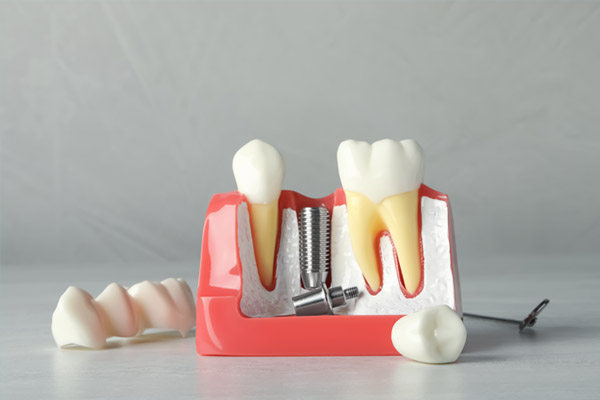
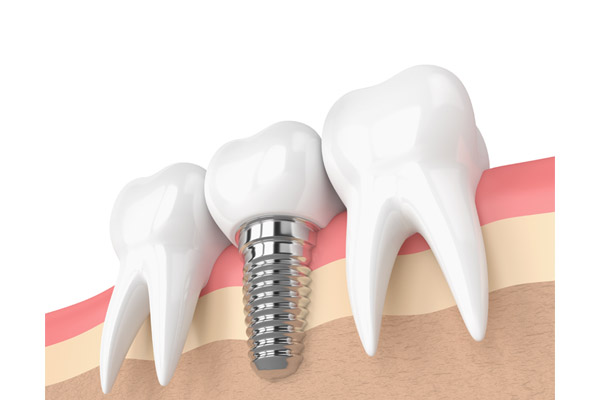
 A root canal removes the infected pulp, then cleans and seals the tooth. Many patients may be unsure if there is anything else they need to do after the root canal. The answer is yes; they will need a dental restoration to restore the tooth's functionality. Let us dive into why leaving a treated tooth unprotected by a dental crown or other restoration is not recommended.
How root canals work
Root canals are a form of dental procedure that save teeth with infected dental pulp. The dental pulp is the tooth’s root, containing nerves and blood vessels. If infected, the pulp will break down the tooth from the inside. This often brings great pain to the patient. Fortunately, a dentist can remove the infected pulp through a root canal.
First, the dentist will file down the tooth to remove the infected pulp. Next, we will clean the area and fill it with gutta-percha, a plastic substance. Finally, the dentist will seal the tooth. Typically, the patient must return to the dental office to have a dental crown placed on top of the tooth to render it functional. Crowns look and feel like real teeth — the patient will be able to chew, talk, and live confidently, all without oral pain or sensitivity.
When do you need a dental crown after a root canal?
Following a root canal, the patient will need a form of restoration, which can include a dental crown. These are especially common for root canals on molars and premolars, which are needed for chewing. The tooth could crumble or crack without a crown due to chewing pressure. Minor root canals may do without a crown, however.
Crowning a root canal
A crown is a tooth-shaped, and often tooth-colored, cap that covers the top of the affected tooth. The patient will be able to use their crown as they would a natural tooth. There is no adjustment period for eating, talking, or chewing — it should feel the same as before the natural tooth becomes infected. Crowns have many uses, such as to fix cracked and chipped teeth. In fact, they are one of the most common dental restorations.
The crown will not be placed immediately after the root canal procedure. First, some of the inflammation and discomfort must clear up. A patient must return to the office within 30 days of the root canal to have their crown placed.
Getting a root canal without the crown
It is possible to get a root canal without a crown. A crown may be unnecessary if the problem tooth is a front tooth, like an incisor. A permanent filling is likely sufficient.
However, if the dentist recommends a crown after a root canal, it is important to follow their advice, as forgoing a recommended crown could result in tooth loss. Infection and root canals weaken the tooth structure, making it easy to crumble or crack a crownless tooth.
Dental restoration after a root canal
Dental restorations are crucial in protecting the results of a root canal. Make sure to crown treated teeth when recommended to protect their integrity. To learn more, call our office today.
Request an appointment or call Martin Dentistry at 209-299-7907 for an appointment in our Stockton office.
Related Posts
For patients who have damaged or decaying teeth, dental restorations may be a necessity. Dentists use a variety of restorative procedures to protect and repair the structural integrity of an individual's teeth. Some of the most common restoration procedures may include dentures, crowns, and fillings.No individual should suffer from severe tooth pain or discomfort. Decaying…
After getting dental restorations such as fillings, implants, crowns, or root canals, it is important to follow any aftercare instructions given by the dentist. Doing so can help avoid damaging the restoration and causing further harm to the mouth. It can also allow the mouth to heal quickly and properly. Here are some tips commonly…
Healthy teeth are important for many reasons. Strong teeth make it easier to chew food, enunciate speech properly, and even breathe better. Many people also feel more confident when they have strong, healthy teeth that help to create a beautiful smile. Unfortunately, some people are predisposed to decay, fractures, or broken teeth and will need…