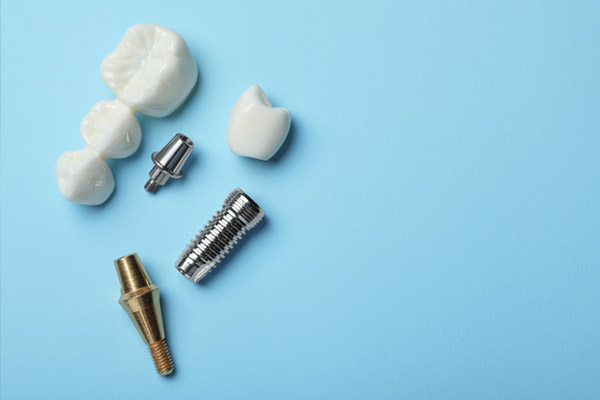
 Dental crowns are well-known for their ability to create beautiful smiles, but they can also be used for various other purposes. Dental caps are used not only for smile makeovers but also to restore teeth that may otherwise be extracted due to gum disease or cavities. Dentists and their patients often prefer crowns because they are more durable than most cosmetic and restorative dental procedures.
The benefits of dental crowns
The following are some of the benefits of dental crowns:
Save a damaged tooth and prevent gum disease
Trauma, infection, and tooth decay may all have disastrous consequences for the tooth. A tooth may become so fragile and fractured that a dentist is left with just two choices to preserve the tooth; either remove it or use a dental crown. The latter option can protect the tooth and prevent infection and gum disease from affecting the teeth. For the procedure, they will clean and file the tooth to prepare it for a crown. The crown reinforces the tooth, keeps it as solid as a natural tooth, and restores its full functionality.
Strengthen a tooth after root canal
Pulpitis is an inflammation of the pulp of the tooth. Irreversible pulpitis is a condition that cannot be cured. The inner tooth dies as a result of it. Irreversible pulpitis is treated by a dentist who performs a root canal to remove the contaminated pulp. After completing the root canal, the dentist can opt for two options to restore the affected tooth.
The first method is to use a filling to seal the tooth. The second and safer option after filling the cavity is to cover the tooth with a crown. A crown is required to keep a dead tooth, especially a molar, from breaking into pieces.
Prevent reoccurrence of decay
A tooth that has had many fillings due to recurrent tooth decay is suitable for a dental crown. A dentist can use a dental cap to cover a tooth instead of a filling or a dental onlay. The cap will completely cover the tooth, creating a shield between it and the rest of the mouth. The crown can keep toxic bacteria, enzymes, sugars, and starch from getting on the tooth.
Crowns are multipurpose
The dentist can correct many flaws in teeth with dental caps. They are used to conceal bent, chipped, or stained teeth. A dentist can even use crowns to give you a more even smile. Crowns also close spaces between the teeth by encasing and enlarging small teeth. As a result, many dentists recommend crowns as an aesthetic procedure. Crowns are more flexible and safer than fillings, inlays, and onlays as dental restorations. Crowns are the most durable and long-lasting alternative as compared to other cosmetic treatments.
Book an appointment with the dentist
Contact the dental office to see if a dental crown is the right option for you, especially if you have a tooth that needs repair or restoration. Prompt intervention can help prevent severe issues like gum disease or tooth loss in the future.
Request an appointment or call Martin Dentistry at 209-299-7907 for an appointment in our Stockton office.
Related Posts
Choosing a dental crown involves balancing aesthetics, durability, and budget to ensure the long-term health of a damaged tooth. While it is natural to feel some hesitation when a dentist recommends a restorative procedure, a crown is one of the the most proven and effective ways to preserve a natural tooth for the future. If…
A dental crown supports and protects a weakened tooth when a filling no longer provides enough coverage or strength. Many patients compare these two restorations and want to understand when each one is recommended. A careful evaluation helps determine the best option for long-term comfort, stability, and oral health. Factors such as decay size, tooth…
A dental crown protects a damaged tooth and restores shape, strength, and appearance. Crowns cover the entire visible portion, shielding cracks, large fillings, and worn enamel while improving function. Dentists use crowns to rebuild biting surfaces, anchor bridges, and finish implants. This guide explains when crowns are a suitable option, material choices, treatment steps, costs,…