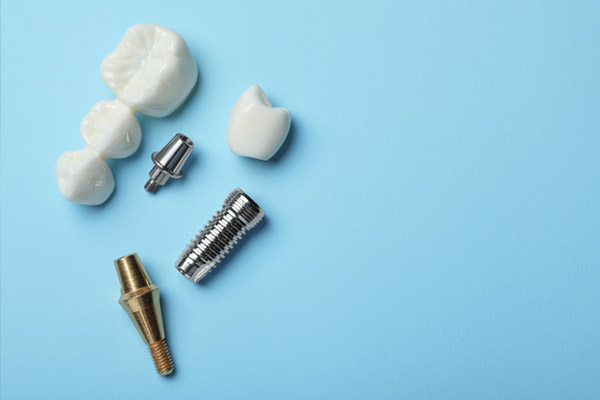
 Modern dentistry provides many options for treating decayed or missing teeth. Although dental restorations can improve oral function and appearance, patients often struggle to choose an appropriate treatment method. Fortunately, dentists have the knowledge and experience to help patients make a decision.
What are some common types of dental restorations?
Dentists can restore single or multiple teeth using various materials and techniques, including:
- Metal or tooth-colored resin fillings for teeth with decay
- Metal, porcelain, or resin crowns to cover and strengthen weak teeth
- Metal or tooth-colored porcelain for bridges that fill gaps where teeth are missing
- Acrylic or porcelain for removable dentures that fit over the gums to replace natural teeth
- Porcelain veneers to cover teeth imperfections
- Titanium posts in the jawbone to replace missing tooth roots and help support crowns
What are three tips for choosing a restoration method?
Patients have the final say when it comes to choosing restoration methods. However, dentists recommend considerating three factors to facilitate the selection process.
1. Oral and general health
Missing teeth leave spaces along the gums where plaque can accumulate and promote the growth of bacteria. In addition, open spaces along the gums create a passage for bacteria to reach and destroy the jawbone. Bacteria that compromise the jawbone may cause the destabilization of remaining teeth and potentially enter the bloodstream, where they can cause systemic infections or promote heart disease, strokes, and cancers.
Dentists may advise patients to choose restorations that reduce future complications. For example, a crown covering a decayed or damaged tooth that is weak and unstable will not provide an adequate defense against infection. Therefore, a dentist may suggest core treatment therapy involving an application of pins and composite fillings for underlying support before crown placement.
2. Location in the mouth
Although different dental restorations can effectively treat damaged or missing teeth, a tooth's location in the mouth is often a significant consideration for determining which method a dentist uses. For example, veneers are a popular choice for restoring teeth at the front of the mouth. Although the thin porcelain shells are susceptible to damage, front teeth do not undertake the forceful chewing required of back teeth, where a patient may opt for more durable metal crowns. Therefore, appearance-based decisions may be preferable for restorations involving front teeth.
3. Cost
Although some restoration methods yield more aesthetically pleasing results than others, costs may vary significantly. Dentists are mainly concerned with how dental restorations can promote oral health and hygiene and advise patients to choose an affordable option that can meet these criteria. For instance, amalgam fillings are less attractive than composite ones but are also significantly less expensive. Therefore, a patient with a limited budget may choose this restoration method. Or, dental bridges may make more sense than implants to replace missing teeth if implant surgery leaves a patient in debt. A dentist will support these cost-based decisions that promote oral health.
Conclusion
Patients who consult with dentists about the pros and cons of various dental restorations can make confident decisions leading to positive outcomes.
Request an appointment or call Martin Dentistry at 209-299-7907 for an appointment in our Stockton office.
Related Posts
For patients who have damaged or decaying teeth, dental restorations may be a necessity. Dentists use a variety of restorative procedures to protect and repair the structural integrity of an individual's teeth. Some of the most common restoration procedures may include dentures, crowns, and fillings.No individual should suffer from severe tooth pain or discomfort. Decaying…
After getting dental restorations such as fillings, implants, crowns, or root canals, it is important to follow any aftercare instructions given by the dentist. Doing so can help avoid damaging the restoration and causing further harm to the mouth. It can also allow the mouth to heal quickly and properly. Here are some tips commonly…
Healthy teeth are important for many reasons. Strong teeth make it easier to chew food, enunciate speech properly, and even breathe better. Many people also feel more confident when they have strong, healthy teeth that help to create a beautiful smile. Unfortunately, some people are predisposed to decay, fractures, or broken teeth and will need…