The Complete Guide to Dental Crowns: Types, Costs & Care
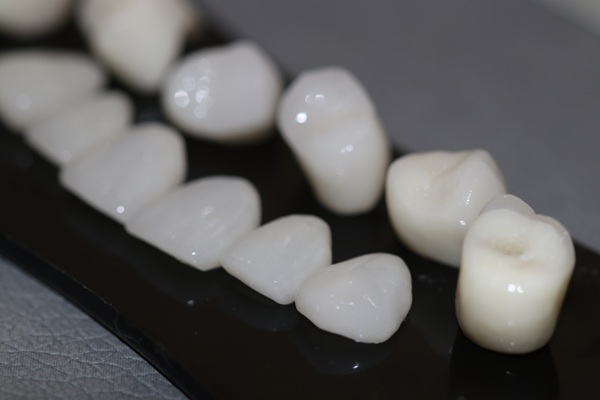
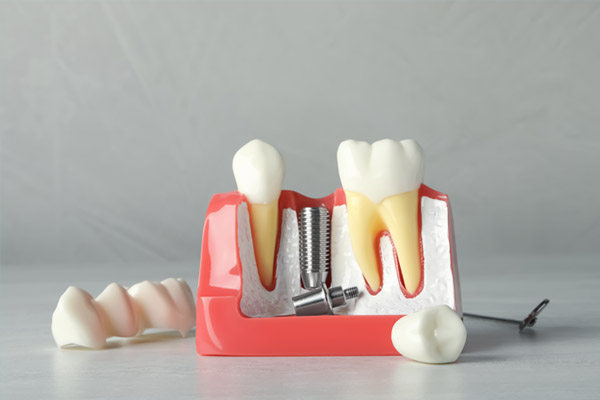
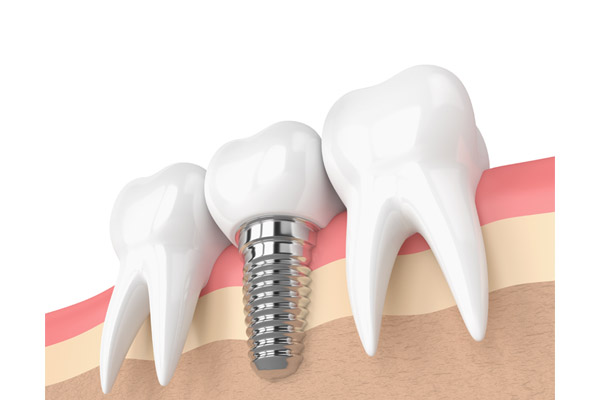
A dental crown protects a damaged tooth and restores shape, strength, and appearance. Crowns cover the entire visible portion, shielding cracks, large fillings, and worn enamel while improving function. Dentists use crowns to rebuild biting surfaces, anchor bridges, and finish implants. This guide explains when crowns are a suitable option, material choices, treatment steps, costs, and proper care. With clear expectations and solid habits, patients maintain comfort and avoid repeat work.
When a dental crown makes sense
Dentists recommend crowns when decay compromises more than a filling can support, when cracks threaten a cusp, or after root canal therapy. A dental crown also strengthens teeth with heavy wear, large fractures, or severe discoloration that bonding or veneers cannot reliably correct. Athletes and patients who grind teeth benefit from reinforced coverage and improved bite comfort.
Crown materials and best uses
Material choice shapes durability, esthetics, and long-term value for a dental crown. The summary below outlines strengths and best uses.
- Porcelain-fused-to-metal (PFM): Durable and time-tested, suitable for molars; modern porcelains improve translucency while metal supports strength.
- All-ceramic zirconia: High strength for posterior teeth, excellent biocompatibility, and minimal chipping; monolithic options limit fracture risk.
- Lithium disilicate (e.max): Attractive translucency for front teeth and premolars; balances beauty with reliable strength.
- Full gold: Exceptional longevity and gentle wear on opposing teeth; a smart choice when appearance matters less.
During planning, the dentist evaluates enamel support, parafunction, and smile-zone demands to select the best fit. Clear priorities lead to a crown that looks natural, functions comfortably, and endures for years.
Treatment steps
The visit begins with a clinical exam and imaging. The dentist numbs the area, shapes the tooth, and captures a digital scan or impression. A dental crown requires precise margins, so the team refines the preparation and confirms bite support. Many offices place a temporary crown while a lab fabricates the final restoration, then the team cements the finished crown at a second visit. Same-day CAD/CAM systems mill a ceramic crown in a single appointment when anatomy and material selection allow.
Costs, insurance, and value
Fees vary with material, tooth location, laboratory quality, and local market factors. Typical ranges span $1,000 to $2,500 per tooth before insurance. Insurers often cover 40–80 percent after the deductible when treatment meets medical necessity and frequency rules. Preauthorization clarifies benefits and helps prevent surprises. When a tooth needs more than a filling or onlay, a dental crown often restores function sooner and lowers the risk of fractures that lead to emergencies or root canal treatment.
Care, comfort, and longevity
Daily habits protect the margin where plaque accumulates first. Brush twice daily with a fluoride toothpaste, and clean between teeth with floss, interdental brushes, or water flossers. A nightguard shields crowns from grinding forces and preserves porcelain. Avoid chewing ice, hard candies, or pens to limit microfractures. Schedule regular professional cleanings and bite checks, especially after new dental work.
Short-term sensitivity can occur after preparation, usually from inflamed dentin. Report lingering sensitivity or a high bite so the dentist can adjust contacts and reduce stress on the tooth. Address gum inflammation quickly, since puffy tissue traps plaque around margins. With excellent care, a dental crown often serves 10 to 15 years, and many last longer.
Consider alternatives during planning. In some cases, an onlay preserves more enamel while restoring strength. Veneers improve color and shape for front teeth with minimal reduction. However, a dental crown offers full-coverage protection when cracks, deep decay, or large fillings weaken the structure. Discuss timeline, maintenance, and long-term risk with the dentist. Clear comparisons prevent surprises and align the choice with chewing demands, esthetic goals, and budget so treatment delivers comfort, durability, and value over time.
Red flags that need attention
Patients should contact the office if a crown feels loose, traps food, or chips along an edge. Early evaluation protects the tooth and prevents decay under the margin. If a temporary crown dislodges, the patient can reinsert it gently with a small amount of toothpaste and contact the dental team for secure recementation.
Thoughtful planning, skilled technique, and consistent home care create reliable outcomes. A well-made dental crown restores strength, supports confident chewing, and improves appearance while protecting the tooth for years. Regular follow-ups protect the investment and sustain long-term health. For more information or to schedule an appointment, call our office at (209) 299-7907.
To schedule a consultation, request an appointment on our website at https://www.martinimplants.com or call Martin Dentistry at (209) 299-7907 for an appointment in our Stockton office.
Check out what others are saying about our dental services on Yelp: Dental Crowns and Dental Bridges in Stockton, CA.
Related Posts
Choosing a dental crown involves balancing aesthetics, durability, and budget to ensure the long-term health of a damaged tooth. While it is natural to feel some hesitation when a dentist recommends a restorative procedure, a crown is one of the the most proven and effective ways to preserve a natural tooth for the future. If…
A dental crown supports and protects a weakened tooth when a filling no longer provides enough coverage or strength. Many patients compare these two restorations and want to understand when each one is recommended. A careful evaluation helps determine the best option for long-term comfort, stability, and oral health. Factors such as decay size, tooth…
A dental crown is a restoration option designed to cover a weak or damaged tooth, restoring its function and appearance. The crown protects the tooth from further damage and prevents the need for extraction. Different types of dental crowns are available, each custom-made to fit over the tooth and blend in with the rest of…
Dental crowns are durable and effective for restoring damaged or weakened teeth. They improve the tooth's structure and function while also enhancing your smile's appearance. However, proper maintenance can extend their lifespan and ensure long-term oral health. With the right care, these restorations can last several years, providing a reliable and aesthetically pleasing restoration.A consistent…